
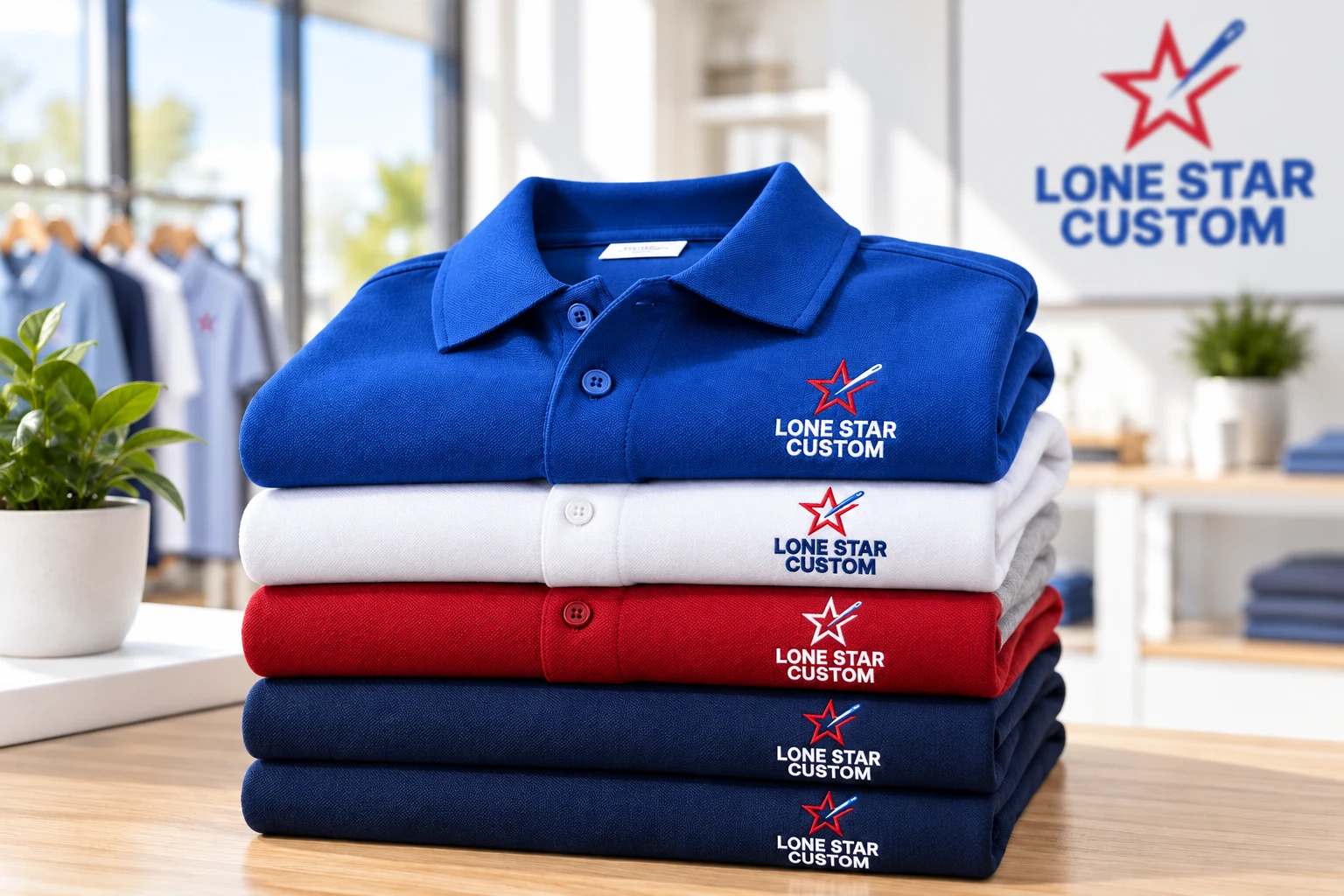
Uniform rental vs. owning uniforms
Rent or own your team’s uniforms?
Compare the complete operating model: garments, laundry, replacements, employee changes and the cost over the same period.
Discuss Your Uniform Program
What changes when you rent or own?
Compare the same products, quantities and service scope. On a small screen, scroll the table sideways.
| Decision | Rental service | Owned uniforms |
|---|---|---|
| Garment supply | A service agreement defines the garment program | Purchase selected garments for your team |
| Laundry | May be included in a recurring collection and delivery service | Assign laundry to your organization, employees or a separate provider |
| Repairs & replacements | Check what the service covers and any charges | Plan replacement stock, repair needs and purchasing responsibility |
| Brand & product selection | Confirm available products and decoration options | Choose approved products and decoration for the purchase program |
| Workforce changes | Check how additions, removals and size changes are handled | Maintain an ordering process for new hires and replacements |
| Cost comparison | Compare recurring fees and the complete agreement scope | Include purchase, laundry, handling, repairs and replacements |
Look beyond the first invoice.



Choose the model your team can maintain.
Rental may suit an outsourced care requirement
For example, Cintas describes a rental program that includes scheduled laundry, delivery, inspections and garment repair or replacement. Compare the actual service proposal for your team.
Ownership may suit a managed purchasing approach
If your organization has a workable laundry and care plan, purchasing can support a selected apparel collection and a repeat-order process. Ownership is not automatically the lower-cost choice.
A company store handles ordering
A Merch Hub program can organize approved merchandise and ordering. It does not replace a laundry route or other care services; those responsibilities must be planned separately.
Build your comparison over the same period.
- Employee count, roles and pieces needed per person
- Laundry frequency and who performs it
- Expected replacements, repairs and employee turnover
- All recurring charges and any one-time setup or delivery costs
- Product availability and the steps for changing or ending the program