Site & operations apparel
Build a practical approved collection for facility, operations and office teams.

DATA CENTERS + DIGITAL INFRASTRUCTURE
Coordinate facility-team apparel, onboarding kits, openings, customer visits and employee recognition across data-center and infrastructure operations.
Plan your company program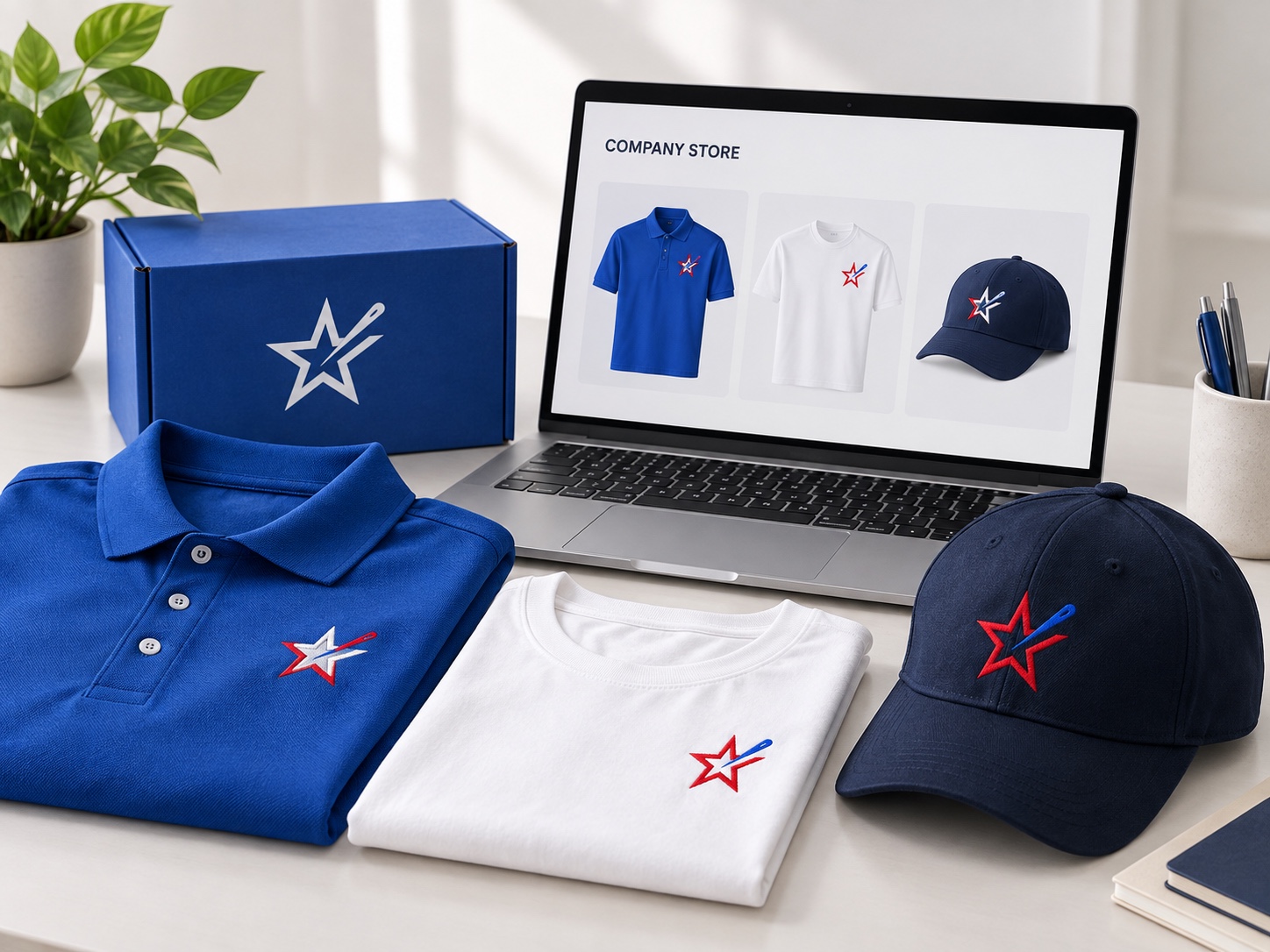
WHAT WE CAN SUPPORT
Choose the use case first, then narrow the product, artwork, packing and delivery plan around how your organization actually operates.
Build a practical approved collection for facility, operations and office teams.
Coordinate apparel, gifts and event merchandise around new-site launches and expansions.
Create polished products for tours, briefings, meetings and partner programs.
HOW THE PROGRAM SCALES
Start with the people and events that actually need merchandise, then build the approved assortment and reorder process around that demand.

WHO USUALLY OWNS THE BUY
Enterprise merchandise programs often touch more than one team. Organize the product and fulfillment questions so the right people can approve the program.
Plan the approved products, ordering workflow and delivery model around this team’s role in the program.
Plan the approved products, ordering workflow and delivery model around this team’s role in the program.
Plan the approved products, ordering workflow and delivery model around this team’s role in the program.
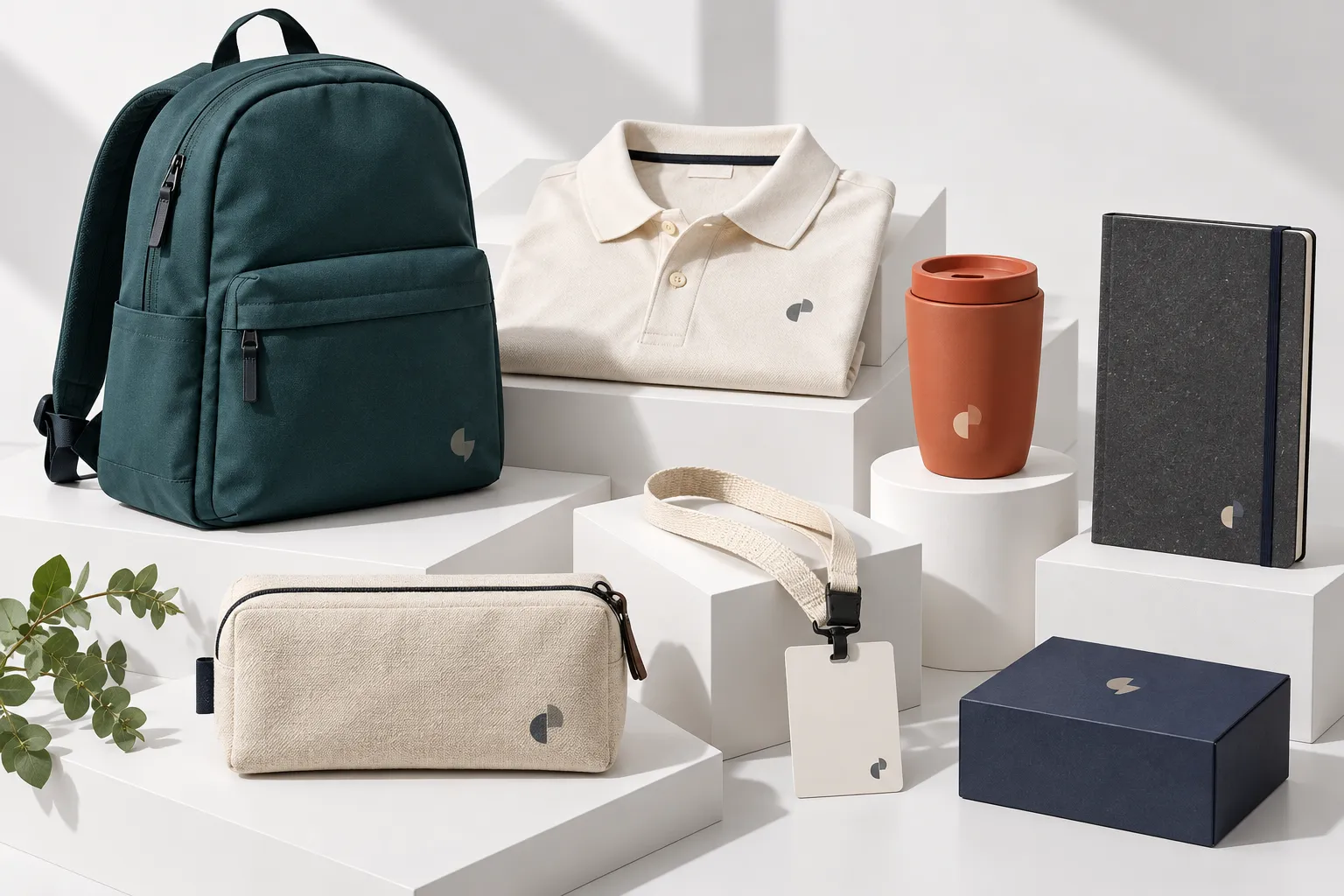
VISUAL PROGRAM EXAMPLES


BUYER FAQ
Clear answers for program owners, procurement teams and operations leaders.
Yes. A core catalog can be shared while selected items or logo applications vary by facility when approved.
Yes. We can plan apparel, gifts, kits and distribution around a defined opening schedule.
Technical protective requirements should be validated separately against the buyer’s specification.
Explore related technical-team programs for facility operations, field crews and customer visits, with approved products organized by role and site.
A data-center campus can have contractors, commissioning teams, facilities staff and office visitors on different schedules. List those groups before choosing merchandise. Record which organization approves each logo, who receives the order and which items are general apparel versus garments subject to site requirements. A project-phase kit should have its own quantity and artwork record so construction branding does not unintentionally become the permanent operations uniform.
Provide any garment, badge-placement, restricted-material or decoration requirements supplied by the site. Do not assume an ordinary polo, cap or jacket is appropriate in every technical workspace. Ask the responsible site buyer to review the exact item and proposed logo placement. If a product substitution is needed, repeat that review instead of approving a similar-looking garment solely because it is in stock.
For general employee use, discuss embroidered polos, quarter-zips, jackets, caps, onboarding tees, notebooks, drinkware and bags. Assign each item to a purpose: day-to-day apparel, visitor welcome, recruiting or recognition. Keep any required high-visibility or protective garments on a separately specified list. The shortlist should make the wearer and use clear, with product availability, decoration and final suitability confirmed in the quote.
Give each destination a complete address, receiving contact and any approved delivery instructions. A single campus may have different receivers for an office and an active project. Identify carton labels, team groupings and whether kits are individually packed. If several campuses need goods for the same launch, request a written shipment plan and allow for different transit times rather than equating one dispatch date with simultaneous arrival.
Separate the initial team issue from ongoing new-hire and replacement demand. Decide who may request items, who approves spending and who can authorize substitutions. A company-store proposal should define whether products are stocked, made to order or offered within ordering windows. Keep the approved product and logo record available to the operations owner when responsibility transfers from the project team.
Provide the proposed kit contents and quantities for each group. We can review a program with a shared brand standard and different product lists, with packing, approval and delivery requirements defined in the proposal.
Share the required dates and destinations early. Production, receiving restrictions and transit must be reviewed for the actual project. Any coordinated delivery commitment needs written confirmation; a common shipment date alone does not guarantee simultaneous arrival.
Do not assume they do. Send the documented product and decoration requirements for review, and have the responsible site buyer approve exact items. General merchandise should remain separate from any specialized or protective garment specification.