
Visibility Garments
Request vest and shirt options against the specification supplied by your safety team.
Discuss Requirements
High-visibility workwear • Houston
Coordinate high-visibility garments and branded workwear around your crew’s roles, jobsite requirements and daily conditions.
Plan Your Workwear
Start with the work environment and garment requirements.
Check decoration size and placement against the garment.
Organize sizes and quantities by role or location.
Keep approved product details available for new hires.
Have your employer or safety professional identify the applicable garment requirements for each role. Color alone does not establish that a garment is suitable for a job.
Provide the required specification when requesting options. Confirm the manufacturer’s product information and permitted decoration area before approval; logos must not interfere with required reflective or visible areas.
Consider heat, weather, layering, fit and how garments are worn during work. Recheck suitability when roles, jobsites or product styles change.
Request vest and shirt options against the specification supplied by your safety team.
Discuss Requirements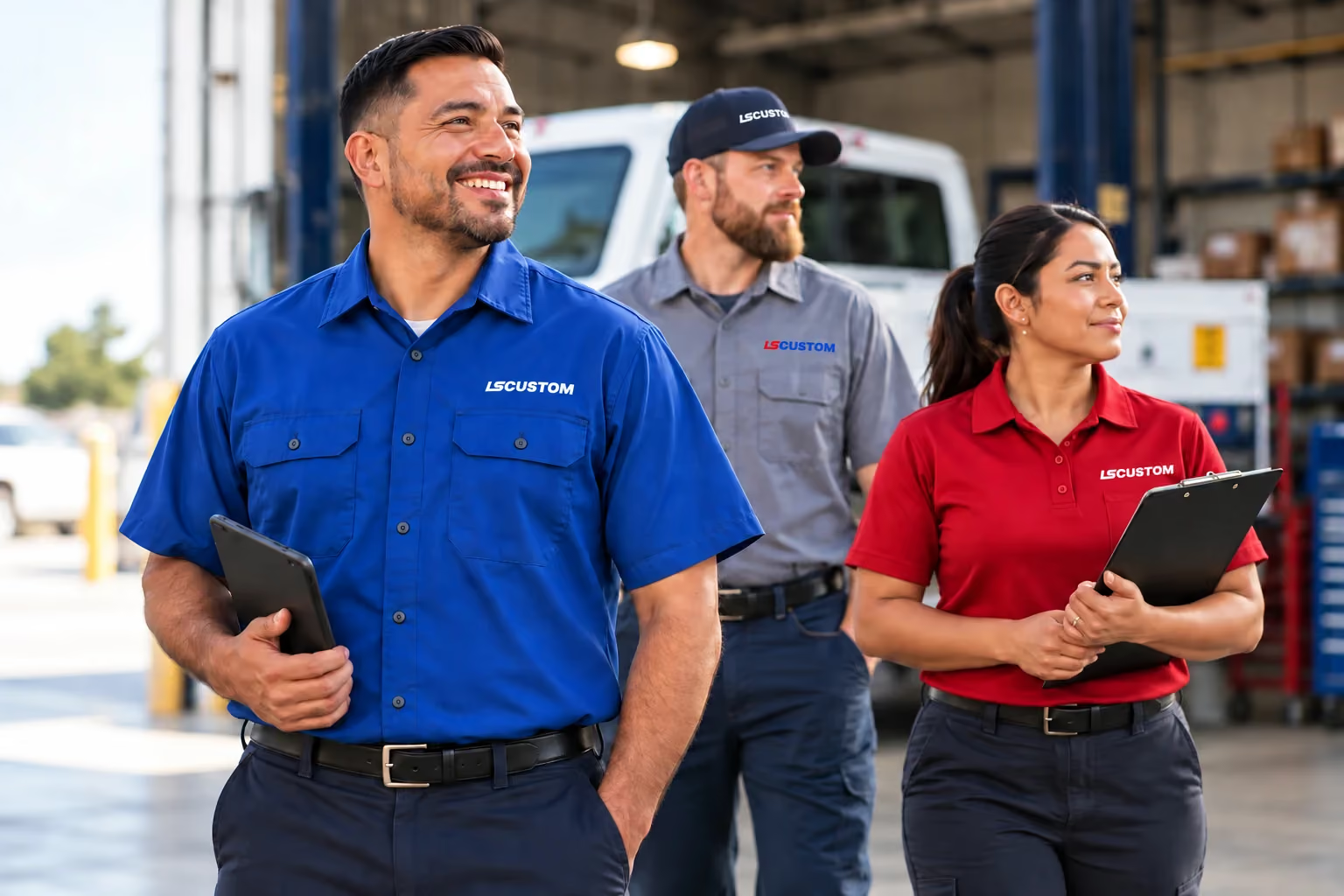
Coordinate everyday shirts for service, field and supervisory roles.
Explore Work Shirts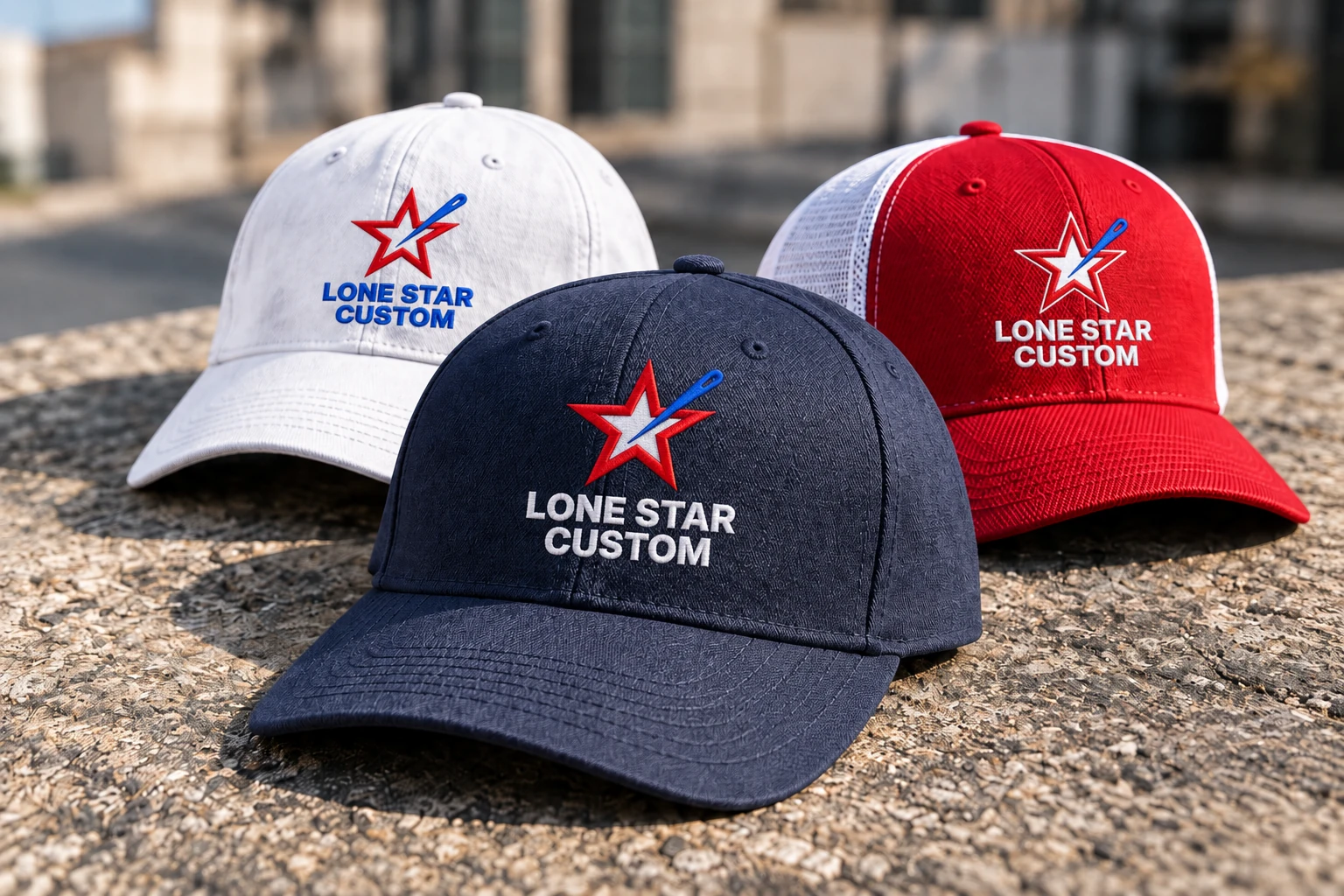
Add branded caps for appropriate non-protective uses; confirm any required protective headwear separately.
Explore Branded HatsServing Greater Houston
Plan sizes, replacement needs and delivery groups with the LS Custom team. Keep visibility garments and everyday branded apparel organized in the same ordering brief.
Explore Houston Support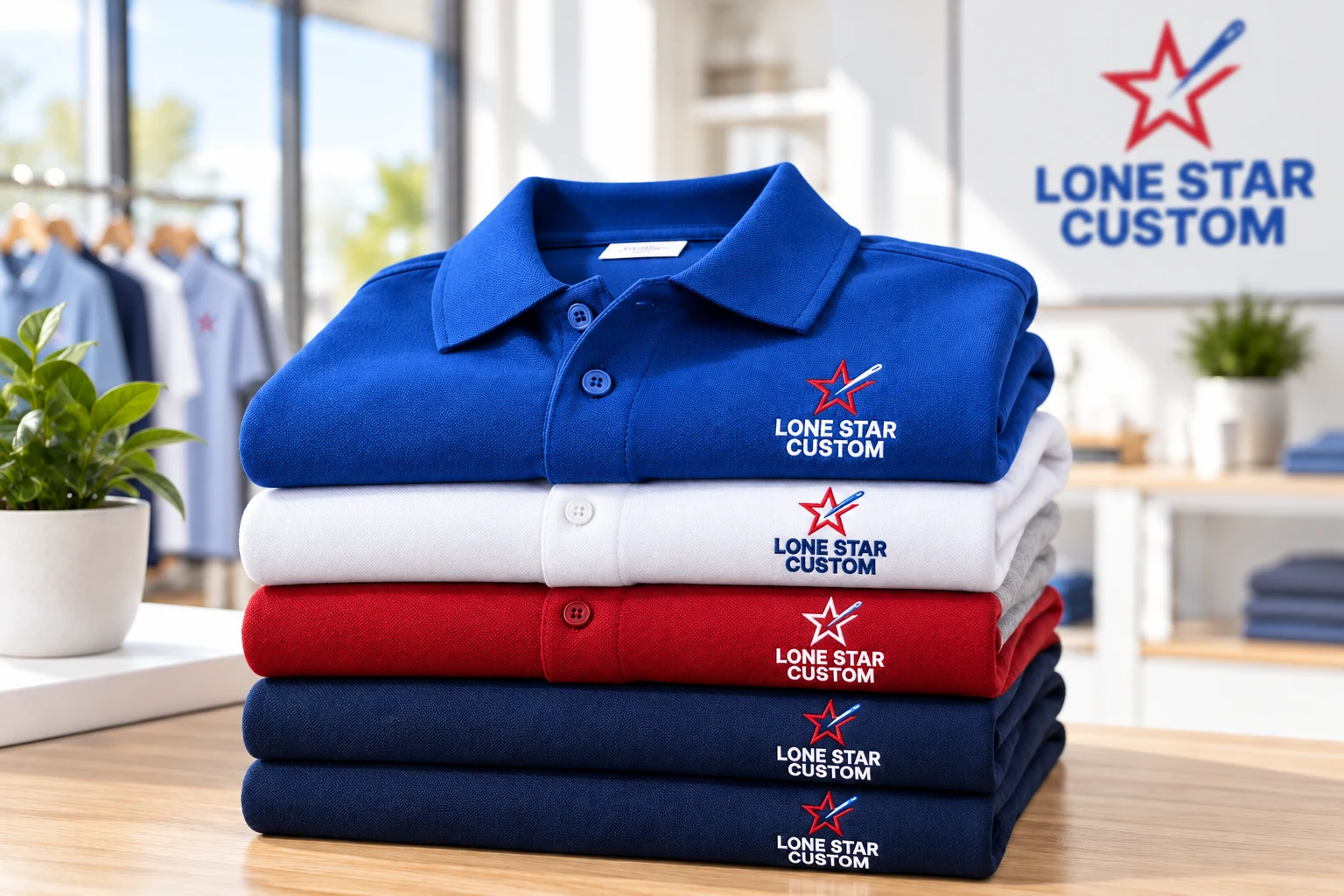
Give the purchasing team the exact requirements supplied by the employer or responsible safety professional. A bright shirt, reflective-looking trim or product category name is not enough to select a garment for a particular job. Record the approved product type and any restrictions before comparing style, fit or price. LS Custom’s merchandise planning should begin with that brief, rather than treating general branded apparel as a substitute for specified workwear.
List the people who need garments and the tasks or locations covered by the order. A visitor, supervisor, warehouse worker and road-side crew may have different employer requirements. Keep those groups separate in the quote request. If the same employee works across several sites, ask the responsible person to identify the appropriate specification instead of assuming the garment approved for one location is suitable everywhere.
Provide the logo dimensions and intended placement alongside the garment style. Manufacturer guidance may restrict decoration, and SanMar’s reflective-shirt guidance specifically advises against decoration over reflective areas. Ask for the exact product information and proposed decoration layout to be reviewed together. Do not approve a logo based only on a generic shirt mockup when the garment’s visible or reflective areas are part of its intended function.
Discuss the selected garment’s size chart and how it will be worn with other clothing or equipment. A vest over a jacket is a different fit decision from a shirt worn alone. Have the responsible buyer review the intended combination and the manufacturer’s instructions. Collect sizes for the actual product, and avoid automatic substitutions based solely on a similar color, a familiar size label or an earlier non-protective uniform order.
Keep the product label, manufacturer information and care instructions available to the organization managing the garments. Decide who checks condition, authorizes replacements and reviews a change of role or site. Merchandise reordering can preserve the approved style and decoration record, but it should not replace the employer’s process for determining continued suitability. Ask for a new product review when an approved style becomes unavailable.
Request a quote that identifies exact products, quantity and size mix, decoration, setup, sorting, packing and delivery. Separate required workwear from optional caps, office polos or recognition gifts so the essential order is easy to review. Give the receiving contacts and required arrival dates for each destination. Stock, approval and transit affect timing; any rush request or split shipment needs a written project-specific confirmation.
Include the employer’s written requirements and any approved style references. LS Custom can review the merchandise request against the supplied brief and confirm which options can be quoted. Final suitability for the work remains a decision for the responsible employer or safety professional.
Do not assume that placement is acceptable. The exact garment and manufacturer guidance need review, including restrictions around reflective and visible areas. Provide the artwork dimensions and intended placement so an appropriate layout can be considered before approval.
Color alone does not establish that a garment meets the requirements for a role. Keep general branded tees separate from the products identified in the employer’s specification. Request the actual product information rather than making a selection from a promotional image.
Ask for alternatives with their product information and proposed decoration details. Have the responsible buyer review and approve the substitute before ordering. A similar appearance or lower price is not enough to establish that another style is suitable for the same use.
Yes, list them as separate product groups with their own quantities, sizes, requirements and artwork. This keeps the order organized while making clear which items are general employee apparel and which require a specific garment review.