
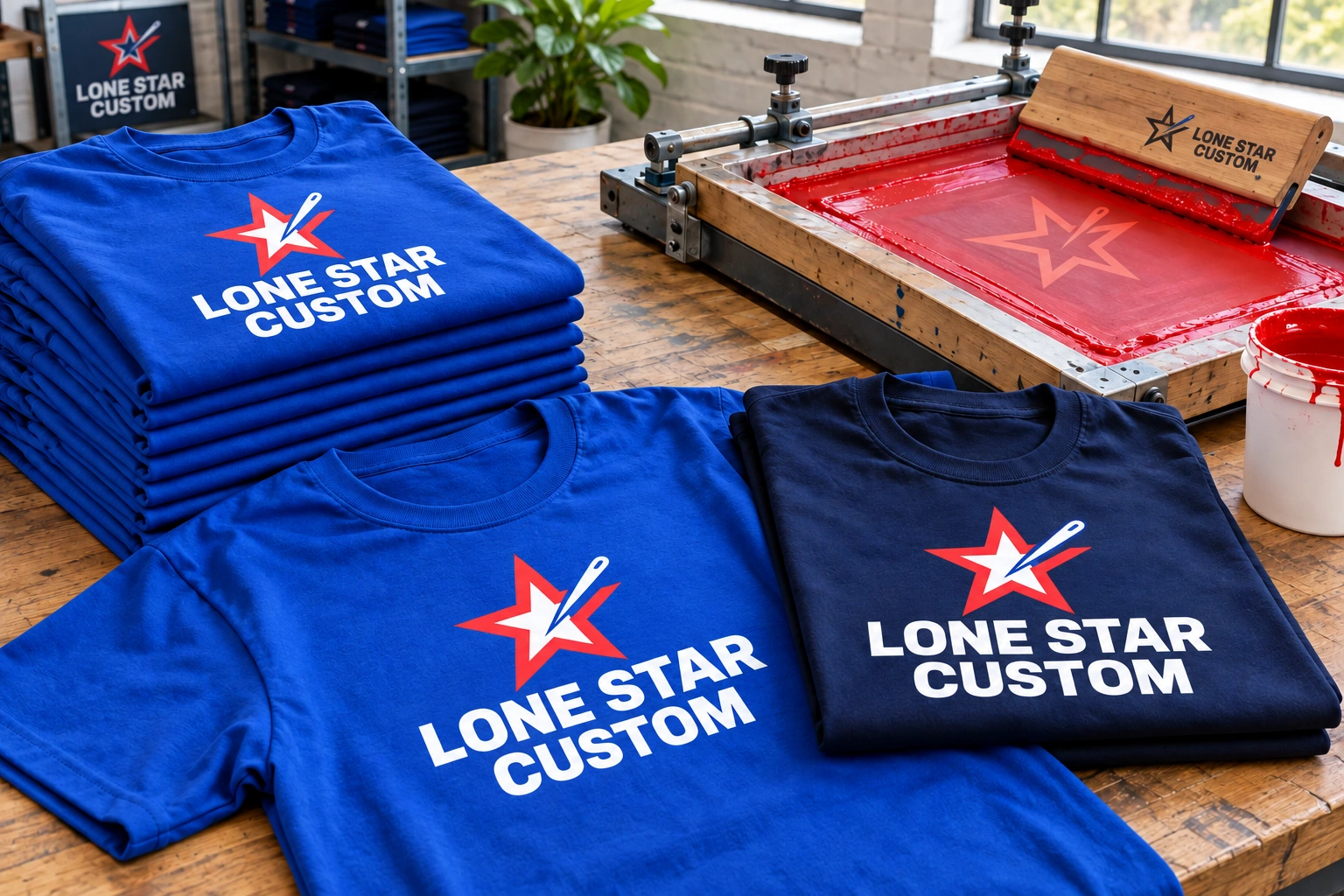
What is DTF printing?
DTF stands for direct-to-film printing. Artwork is printed onto a transfer film, prepared with adhesive and then applied to a garment with heat and pressure. It is one of several decoration methods LS Custom may consider alongside screen printing and embroidery.
When DTF can be a strong fit
- Detailed or multicolor artwork
- Gradients or fine visual detail
- Smaller or mixed production runs
- Names, numbers or other personalization
- Projects where traditional screen setup is not efficient
What buyers should consider
DTF is not automatically the best method for every garment. Fabric, coatings, heat sensitivity, seams, transfer size, placement and intended wear can all affect the recommendation. Large solid transfers may also feel different from a traditional screen print because the decoration sits on the fabric surface.
DTF vs screen printing
Screen printing can be a strong choice for repeatable graphics on T-shirts, sweatshirts and larger runs, while DTF can provide flexibility for detailed artwork and shorter or more varied runs. The better option depends on the actual garment, artwork, quantity, placement and deadline.
DTF vs embroidery
Embroidery creates a stitched finish commonly used on polos, hats, jackets and workwear. DTF is a printed transfer and may suit detailed color artwork that would not translate cleanly into stitches. Some programs use more than one decoration method across different products.
How LS Custom chooses a method
We review the garment, artwork, placement, quantity, intended use, desired appearance and required date before recommending a production method. The goal is to match the process to the project rather than force every order into one technique.
Explore Services · Screen Printing · Embroidery · Request a Quote
Continue planning
How to Choose a Custom Apparel Printing Method · Screen-Printing Minimum Orders: What Buyers Should Know